
The Journey
Denzel Irawan May 9, 2026
Walking into Vancouver Film School for the first time felt surreal.
For years, filmmaking was something I admired from a distance. It lived in the movies I constantly rewatched, the videos I made for school projects, and the ideas always running through my head. But suddenly, it became real. I was finally stepping into an environment built around creativity, storytelling, and filmmaking.
I specifically joined the Foundation Visual Art & Design program, which became my introduction not only to film, but to the creative industry as a whole.
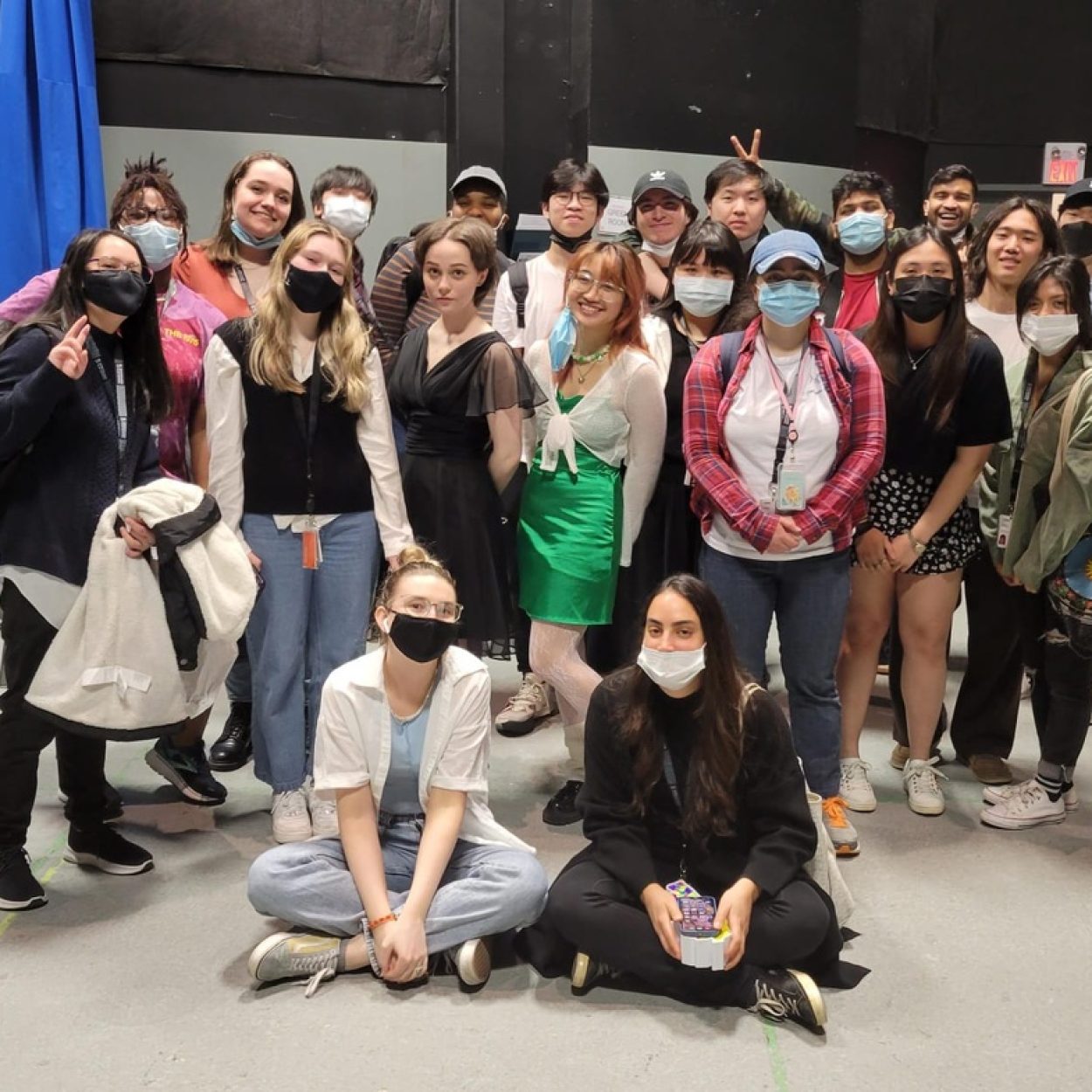
One of the most interesting parts of the program was the people I met along the way. Everyone came from completely different backgrounds. Some students already had experience working in the film industry, while others, like me, were starting fresh, almost like blank canvases, trying to figure out where we fit creatively. That environment pushed me to learn quickly.

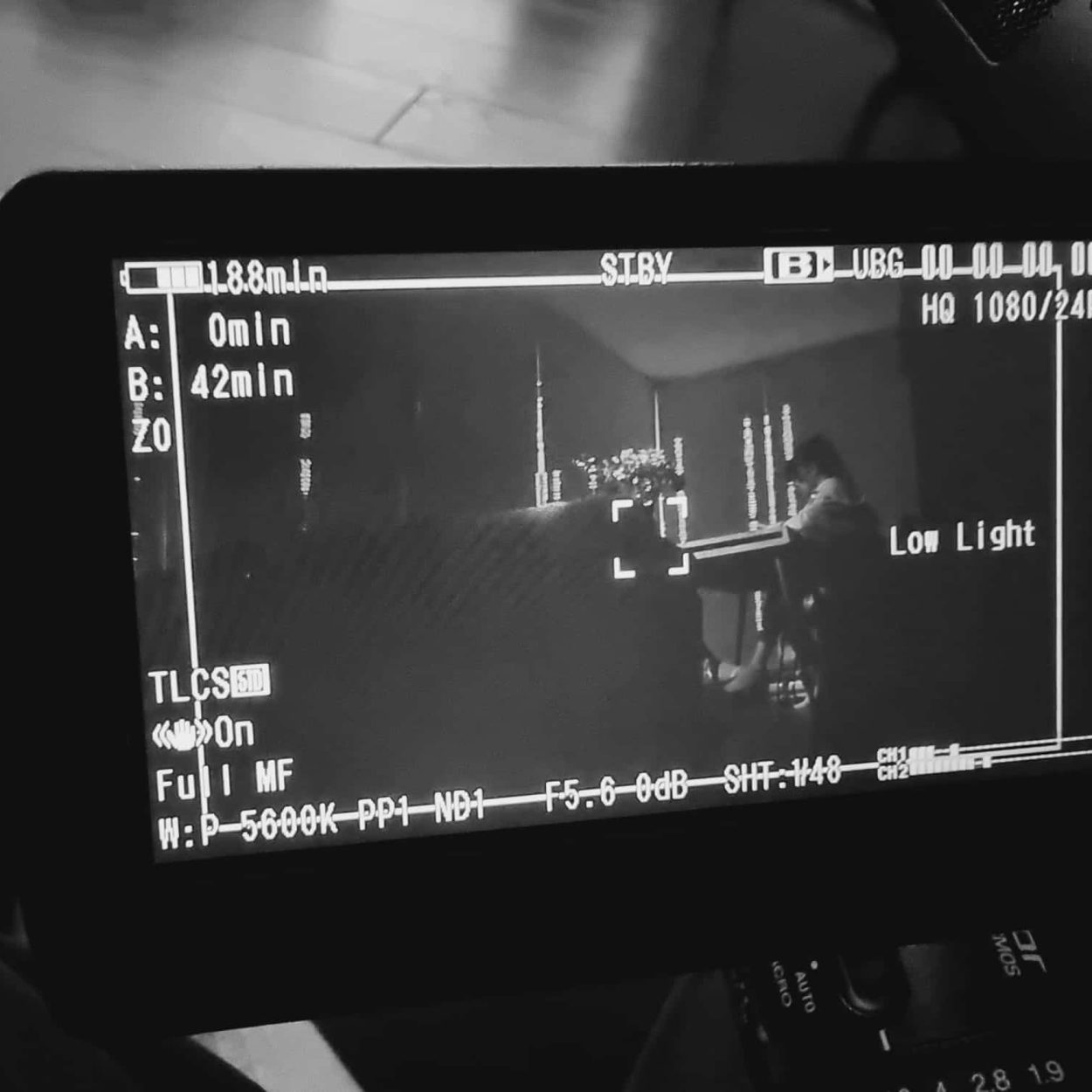
The Foundations program exposed me to many different creative disciplines and skills. We explored things like 2D composition, media history, psychology in art, design principles, and creative software. Some parts came naturally to me, while others challenged me in ways I did not expect.
One of the biggest examples of that was sound design and audio editing using Pro Tools.
As someone mainly interested in filmmaking, I had never fully understood how much work sound engineers put into film production. After spending time working with Pro Tools, I quickly realized how technical and detailed audio editing really is. Personally, I found the software complicated and somewhat outdated despite still being considered an industry standard today. At times, it felt frustrating to work with, but it also gave me a completely new appreciation for the people responsible for shaping the sound behind films.
That became one of the biggest lessons during my time in Foundations.
Film is never created by one person alone.
Every role, whether it is cinematography, editing, production design, or sound, contributes to the final experience people see on screen. Being exposed to areas outside my comfort zone helped me better understand how collaborative filmmaking truly is.
In the middle of the semester, I got my first real taste of filmmaking production.
As part of one of our projects, my team and I had to each write short scripts and vote on which one we wanted to produce. Surprisingly, my script ended up being selected. The project became my first short film, One Last Promise.
The story followed a grieving husband trying to maintain the illusion of normalcy by preparing a romantic candlelight dinner for his zombified wife, only to eventually confront the devastating reality of her condition.
The production itself was far from glamorous.
There was no real budget. We were simply given a gear package and a deadline and had to figure everything else out ourselves. Looking back, that experience taught me more about filmmaking than I expected. One of my classmates generously offered her apartment as the shooting location, which ended up fitting the atmosphere of the story perfectly. Our art department team did an incredible job transforming the space and resetting everything afterward. Seeing everyone contribute their skills toward the same vision was honestly one of the most rewarding parts of the experience.
What stood out to me the most was seeing the cinematographer bring my shots to life exactly the way I had imagined them while writing the script.
Ironically, the cinematographer also became the editor for the project. I still remember both of us staying on campus overnight trying to finish the edit less than 24 hours before the deadline. It was exhausting, but seeing the final result come together made all of it worth it.
For the first time, I experienced the chaos, pressure, and excitement that comes with filmmaking.
And I loved it.
Toward the end of the program, I had the opportunity to create my first more serious short film titled Moment of Happiness.
Unlike the previous project, this production carried more responsibility. I took on the roles of director, producer, and writer while working with a small production budget of around $500.
The film was a psychological thriller drama centered around a grieving mother named Susan who struggles to accept the death of her daughter, Daisy. As Susan slowly fabricates Daisy’s existence into her daily life, she is eventually forced to confront reality and let go.
With such a limited budget, every decision mattered. I managed to secure a small basement suite in Kitsilano as the main shooting location, which ended up fitting the tone of the script perfectly. At times, having around eight cast and crew members packed into a tight basement space felt almost claustrophobic, but somehow the pressure brought everyone closer together creatively.
Despite the challenges, the shoot turned out to be a success, and I was genuinely proud of how the final cut came together.
What I did not expect was the response afterward.
Moment of Happiness was eventually showcased during the program’s graduation screening, where it received an emotional reaction from the audience. I remember hearing positive feedback from classmates, instructors, and even parents attending the event. Some people were visibly emotional by the end of the film, which honestly meant a lot to me as someone who has always wanted to create stories that emotionally connect with people.
The film later received the Film Stream Award during the program, which became one of the biggest turning points in my journey so far.

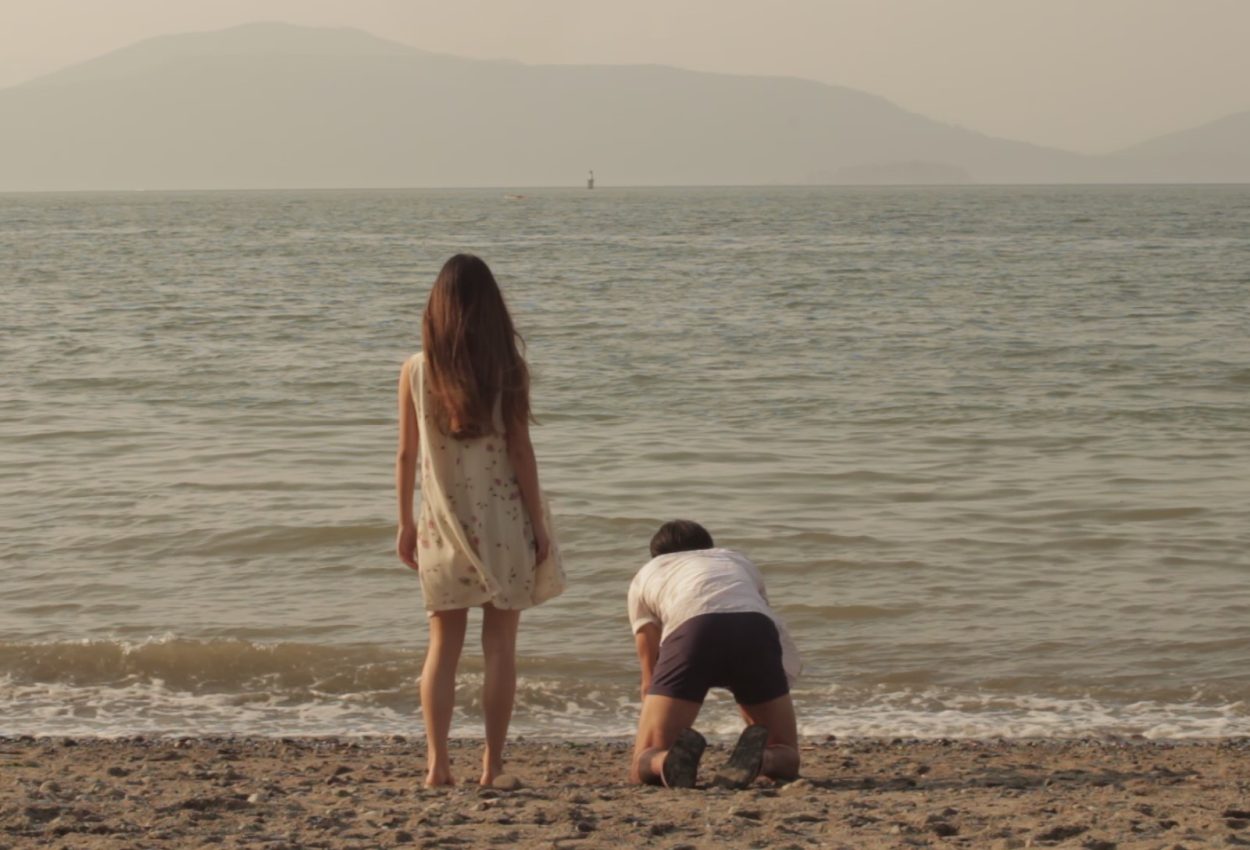

VFS Foundation Graduation 2022 (Photo By Vancouver Film School)

VFS Foundation Graduation 2022 (Photo By Vancouver Film School)
Beyond the filmmaking experience itself, one of the most valuable things I gained from the Foundations program was the sense of community that formed throughout the process. Spending long nights on projects, dealing with tight deadlines together, troubleshooting problems under pressure, and sharing the same passion for storytelling naturally brought people closer together. There is something special about being in a creative environment where everyone is learning, improving, and trying to figure things out at the same time that creates strong connections.
What started as classmates slowly became genuine friendships.
Even outside of projects and classes, we spent a lot of time talking about films, exchanging ideas, giving feedback on each other’s work, and motivating one another during stressful periods. Everyone came from different creative backgrounds and experiences, so being surrounded by people with different perspectives constantly pushed me to think differently and grow creatively. Some people were interested in directing, others focused on cinematography, editing, sound, or design, and seeing how everyone approached storytelling in their own way made the experience even more inspiring.
Some of those people are still close friends of mine today, and looking back, those relationships became just as meaningful as the technical skills I learned throughout the program.
For the first time, filmmaking stopped feeling like a distant dream and started feeling tangible.
I was no longer just studying film. I was beginning to understand the pressure, collaboration, and responsibility that came with creating something meaningful alongside a team of people equally passionate about storytelling. The Foundations program gave me my first real glimpse into what it truly meant to work creatively with others toward a shared vision.
And as the program came to an end, I realized I was only scratching the surface of what filmmaking truly was.
There was still so much more to learn, experience, and understand about the craft.
Soon after, I took the next step and transitioned into the Film Production program at Vancouver Film School, ready to dive even deeper into the world I had spent years admiring from a distance.
This perfectly captures the beautiful chaos of film school! It’s wild how quickly you go from dreaming about movies to pulling all-nighters in the editing suite or cramming a whole crew into a tiny basement.