
The Editing Software
Denzel Irawan June 3, 2026
While cameras capture the footage, editing is where a film truly begins to take shape.
For me, Adobe Premiere Pro has been my primary editing software throughout much of my filmmaking journey. From assembling rough cuts to refining pacing and emotion, it has become one of the most important tools in my creative workflow.
One of the reasons I continue to use Premiere Pro is its integration with the broader Adobe Creative Cloud ecosystem. Modern filmmaking is rarely limited to a single piece of software. Instead, multiple programs often work together throughout the production and post-production process.
Premiere Pro serves as the foundation for my editing workflow. It allows me to organize footage, build sequences, refine story structure, and create the rhythm that ultimately shapes how an audience experiences a film. Whether I’m working on a short narrative project, a documentary, or a promotional video, editing is often where the story truly comes together.
Beyond Premiere Pro, Adobe After Effects plays an important role in motion graphics and visual effects. From title sequences and text animations to compositing and visual enhancements, After Effects provides tools that help elevate a project’s visual presentation.
Adobe Photoshop is another software I frequently use throughout production. Whether creating posters, promotional materials, thumbnails, or graphic assets for a project, Photoshop has become an essential part of the creative process.
Audio is equally important in filmmaking, which is where Adobe Audition becomes valuable. Sound often goes unnoticed when done well, but it plays a critical role in shaping atmosphere, emotion, and immersion. Audition provides tools for dialogue cleanup, audio balancing, and sound refinement that help improve the overall quality of a project.
What I appreciate most about the Adobe Creative Suite is how these programs work together. Footage can move seamlessly between applications, allowing filmmakers to focus more on creativity and less on technical obstacles.
At the same time, I have learned that software alone does not make someone a better editor.
Much like cameras, software is simply a tool. The ability to tell a compelling story, create emotion, and engage an audience ultimately comes from the filmmaker behind the screen.
Premiere Pro may be the software I use, but storytelling will always be the most important part of the editing process.
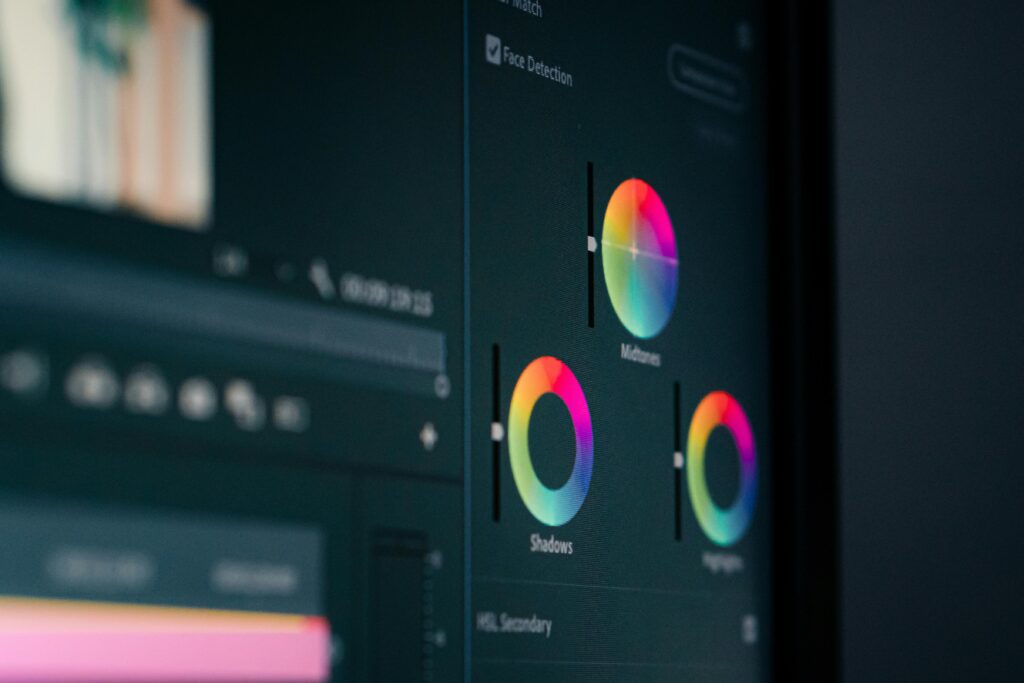
Photo By DLX Media